
OpenAI’s ChatGPT Search has reached a major milestone, now accounting for approximately 60% of all AI-generated search traffic in early 2026. This dominance means that for many users, ChatGPT has become the default starting point for research, decision-making, and information discovery. Brands that once focused exclusively on Google rankings are discovering that strong traditional SEO performance does not automatically translate into visibility inside ChatGPT’s answers.
If you want your content to appear in ChatGPT Search results in 2026, you need to optimise specifically for how the model retrieves, evaluates, and synthesises information. Here’s exactly how to do it.
Why ChatGPT Search Is Different from Traditional Search
ChatGPT Search does not simply return a list of blue links. It reads, analyses, and summarises information from multiple sources in real time, then delivers a coherent, natural-language response. The model prioritises content that is clear, authoritative, well-structured, up-to-date, and easy to verify. Pages that bury key facts, use heavy promotional language, or lack specific data are frequently ignored, even if they rank highly in Google.
This creates a new optimisation layer that many marketers are still learning. Success in ChatGPT Search requires a combination of strong traditional SEO foundations and targeted GEO (Generative Engine Optimisation) techniques.
Write Clear, Answer-First Content
ChatGPT strongly favours content that leads with the answer. Structure your articles so the most important information appears early in each section. Use direct, declarative opening sentences rather than long introductions. Question-style subheadings that mirror how people actually ask ChatGPT (e.g., “How do I improve visibility in ChatGPT Search in 2026?”) help the model quickly identify relevant sections.
Use Specific Data and Verifiable Sources
The model is far more likely to cite content that contains concrete numbers, recent statistics, and properly attributed sources. Replace vague statements like “many companies see improvement” with precise figures such as “brands implementing entity optimisation saw 280% more ChatGPT citations in Q1 2026 (Blue Ocean Media study)”. Include data from reputable sources and update statistics regularly. Fresh 2026 data gives your content a significant advantage.
Optimise Structure for Easy Synthesis
ChatGPT excels at pulling information from well-organised content. Use short paragraphs, clear subheadings, numbered lists, and comparison tables where appropriate. Avoid long, dense blocks of text. The easier it is for the model to extract accurate snippets, the higher the probability your content will be referenced.
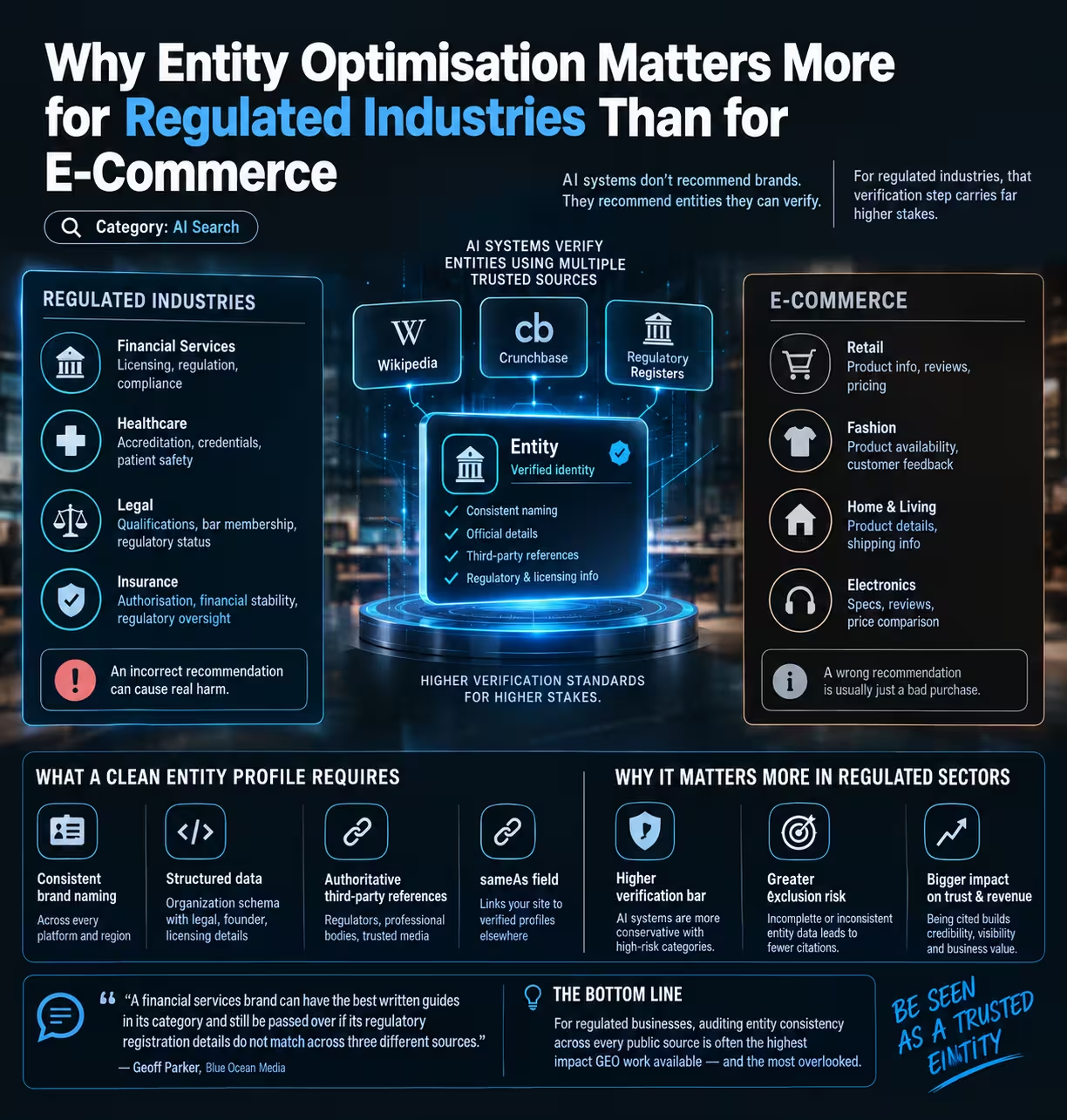
Strengthen Entity and Authority Signals
Clearly define your brand, product, or expertise early and consistently throughout the page. Implement robust schema markup (Organization, Service, FAQ, HowTo). The more confidently ChatGPT can link your content to a trusted entity, the more likely it is to cite you. Consistent mentions across trusted platforms (LinkedIn, industry forums, news sites) further reinforce your authority.
Keep Content Fresh and Actively Maintained
Recency is a major ranking factor for ChatGPT Search. Regularly update cornerstone pages with new statistics, case studies, and insights. Clearly display the last updated date and highlight what has changed. Content that shows ongoing maintenance is viewed as more reliable and is cited more frequently.
Incorporate Multimodal and Cross-Channel Signals
ChatGPT can now draw from video content and other modalities. Pairing high-quality written articles with optimised YouTube videos (clear transcripts, timestamps, and detailed descriptions) can boost overall visibility. VideoObject schema helps the model understand and retrieve video-based information effectively.
Write in a Natural, Conversational Tone
ChatGPT responds best to clear, human-sounding writing. Avoid overly sales-oriented or robotic language. Write as if explaining the topic to a knowledgeable colleague — direct, helpful, and free of unnecessary jargon. A natural tone reduces the risk of hallucination and makes your content more quotable.
Test and Measure Your Visibility
Regularly test how your content performs in ChatGPT Search using realistic prompts that match your target audience’s questions. Track which pages are being cited and refine your approach based on real results. Combine manual testing with monitoring tools to identify patterns and continuously improve.
Practical Action Plan for 2026
Begin by auditing your top-performing pages. Rewrite openings to lead with answers, add fresh 2026 data, implement proper schema markup, and refresh outdated sections. Establish a quarterly update schedule for cornerstone content. Test visibility weekly and adjust based on what actually appears in ChatGPT answers.